
The Nervous System Before the Threshold
There’s a moment before a forest changes seasons where everything looks wrong. Leaves curl before they fall. Birds move differently. The air becomes electrically uncertain. If you didn’t know what transition looked like, you’d assume something was failing.
The nervous system behaves the same way.
Most people assume transformation should feel clarifying from the beginning. They expect a new insight, a healed pattern, a healthier life direction to arrive with immediate peace. But the body is older than the mind. It does not reorganize itself at the speed of realization. It reorganizes through repetition, safety, grief, and exposure to reality over time.
This is why periods of genuine change often feel strangely disordered. Sleep becomes fragmented. Old memories surface without invitation. The body swings between exhaustion and heightened alertness. Social tolerance shifts. Certain environments suddenly feel unbearable. Even pleasure changes texture. The nervous system is attempting to determine whether the new pattern is actually survivable.
And this is where many people accidentally abandon themselves.
Because when chaos appears, the conditioned impulse is to return to familiarity. Even if familiarity was harmful. The body often prefers familiar pain over unfamiliar coherence. Familiarity feels safer because it is predictable. A dysregulated relationship can feel safer than solitude. Overwork can feel safer than rest. Numbing can feel safer than sensitivity. Not because these states are healthy, but because the nervous system has already mapped them.
What’s rarely discussed is that perception itself changes during these transitions. Reality can temporarily feel less stable because the filters through which you interpreted life are reorganizing. You are not only changing behaviors. You are changing what your body allows you to notice.
This is why many people feel emotionally “between worlds” before major life shifts. The old self no longer fits, but the new pattern has not fully rooted yet. There’s grief in that space. And confusion. But there’s also enormous intelligence there if you stop treating the discomfort as failure.
A nervous system under reconstruction is not malfunctioning. It is reallocating energy.
The problem is that modern systems are designed to interrupt this process. Infinite scrolling, algorithmic stimulation, constant comparison, productivity pressure, outrage cycles — they keep the body from settling long enough to complete the transition. People become trapped in partial reorganization: awake enough to feel the distortion, but too overstimulated to stabilize into coherence.
So the real work becomes quieter than self-help culture suggests. Less optimization. More observation. Less forcing. More listening.
Sometimes the most important thing you can do during a threshold season is reduce unnecessary noise long enough to hear what your nervous system has been trying to say beneath survival mode.
GO DEEPER WITH FIELDCRAFT
〰️
GO DEEPER WITH FIELDCRAFT 〰️
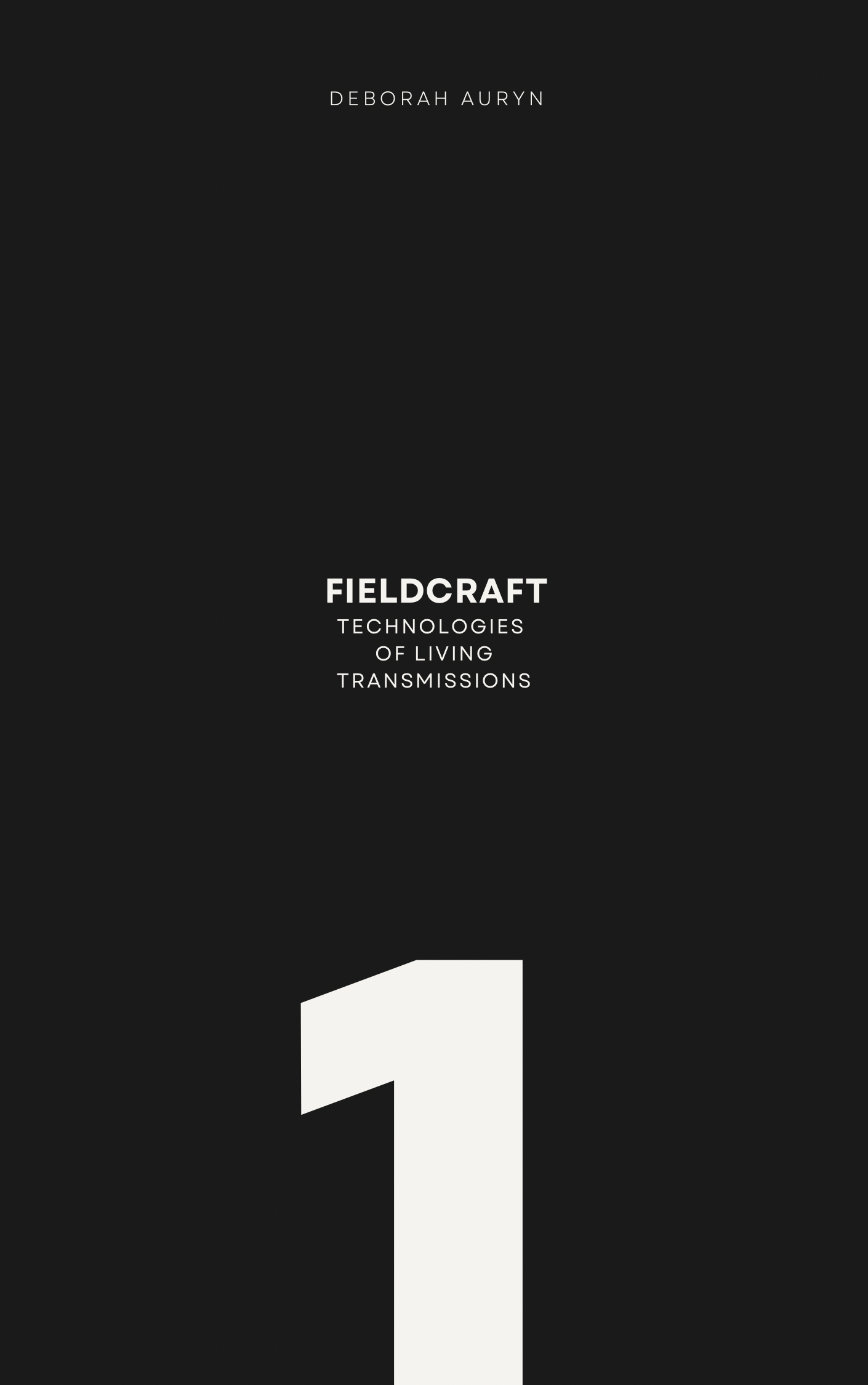
Most people think reality changes through ideas, plans, and actions.
This book explores something deeper: the invisible layer where patterns, symbols, intuition, dreams, language, relationships, and lived experience interact before change becomes visible.
FieldCraft is an exploration of coherence as a living technology.
Part personal inquiry, part systems thinking, and part symbolic cartography, it examines how signals move through individuals, communities, and cultures—and how human beings can learn to recognize the patterns shaping their lives.
Rather than asking what to believe, this work asks a different question:
How do we learn to listen?
If you’ve ever sensed connections others dismissed, noticed recurring patterns in your life, felt guided by dreams, intuition, synchronicity, or symbolic systems, while also wanting a grounded framework to understand those experiences, this book was written for you.
This is not a manual for certainty.
It is an invitation to develop deeper coherence, stronger discernment, and a more conscious relationship with the signals that shape reality.
Download the first chapter free.
Full PDF version emailed immediately after purchase (non-refundable).